

Blog Monitor US

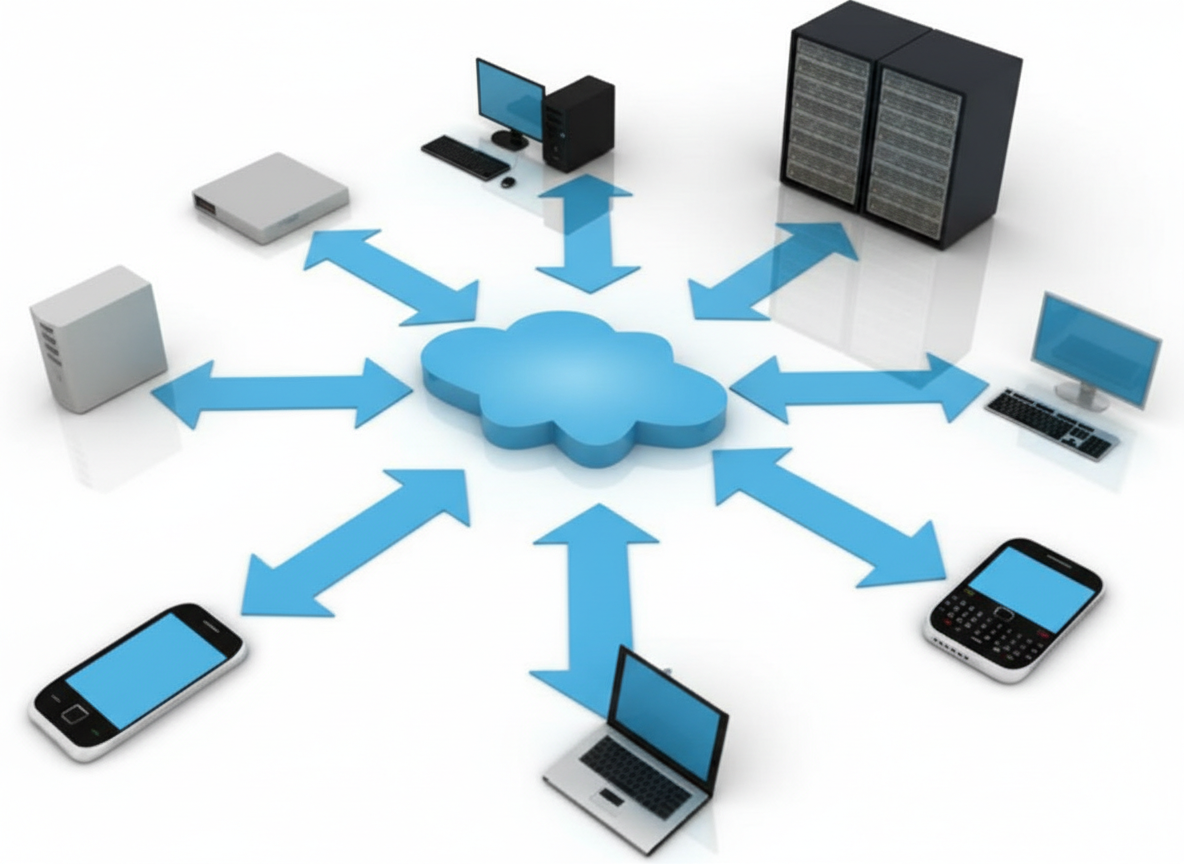
Why Сloud Based Monitoring Is The Way To Go
It would be an understatement to say that cloud computing has revolutionized IT. In terms of costs, scalability, and performance – cloud solutions have been the impetus for bringing traditional infrastructures into the digital age. Aside from all the advantages of the “as a service” delivery model, businesses over the past several years also have […]...Read the full post
What is Database-as-a-Service and Why it Matters?
The modern enterprise faces a persistent challenge: managing the immense technical burden of data infrastructure. Organizations must navigate complex hardware deployments, relentless software updates, and the constant threat of performance issues, all while trying to focus on their actual business objectives. This operational overhead has catalyzed a fundamental shift towards a more streamlined model for […]...Read the full postWhy Responsive Web Design Is Not Enough

The last 7 years have been ground-breaking from a technology standpoint as we’ve seen the rise of mobile technology to unprecedented levels. Stop to consider that 2013 was the first time in the nearly 2 decades of the world wide web that more mobile devices were accessed via the internet than PCs. Correspondingly, PC sales […] Read the full post
What is Synthetic Monitoring: Types, Features and Use Cases
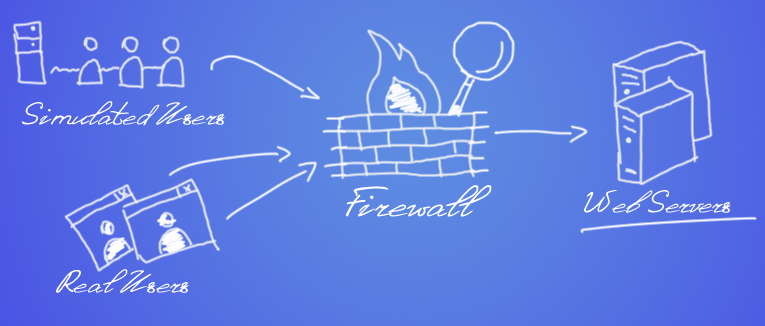
Consistent application performance is crucial for user satisfaction and business success. Slowdowns, transaction failures, or downtime can lead to lost revenue and frustrated users. While monitoring tools help detect issues, relying only on real user data may not be enough. Automated testing across locations, browsers, and devices helps maintain availability, detect problems early, and optimize […] Read the full post