It would be an understatement to say that cloud computing has revolutionized IT. In terms of costs, scalability, and performance – cloud solutions have been the impetus for bringing traditional infrastructures into the digital age. Aside from all the advantages of the “as a service” delivery model, businesses over the past several years also have increasingly observed that the advantages of “running in the cloud” extend to another domain: monitoring all the new computing systems and services now in the cloud.
What is Cloud Monitoring
Cloud monitoring provides a method to track technical performance across digital services hosted remotely. Its scope includes system uptime, speed, and resource consumption. Data streams from servers, databases, and applications feed into a central view. This view allows teams to spot problems before they become serious. Anomalies in traffic or unexpected errors become quickly visible. Teams gain awareness through charts and automated alerts.
When infrastructure is not physically present, this type of observation is the primary alternative. It offers a window into otherwise invisible processes. The collected information drives decisions about scaling and cost. Without this visibility, managing remote systems would be a blind endeavor. Operations depend on its continuous flow.
How Does Cloud Monitoring Work
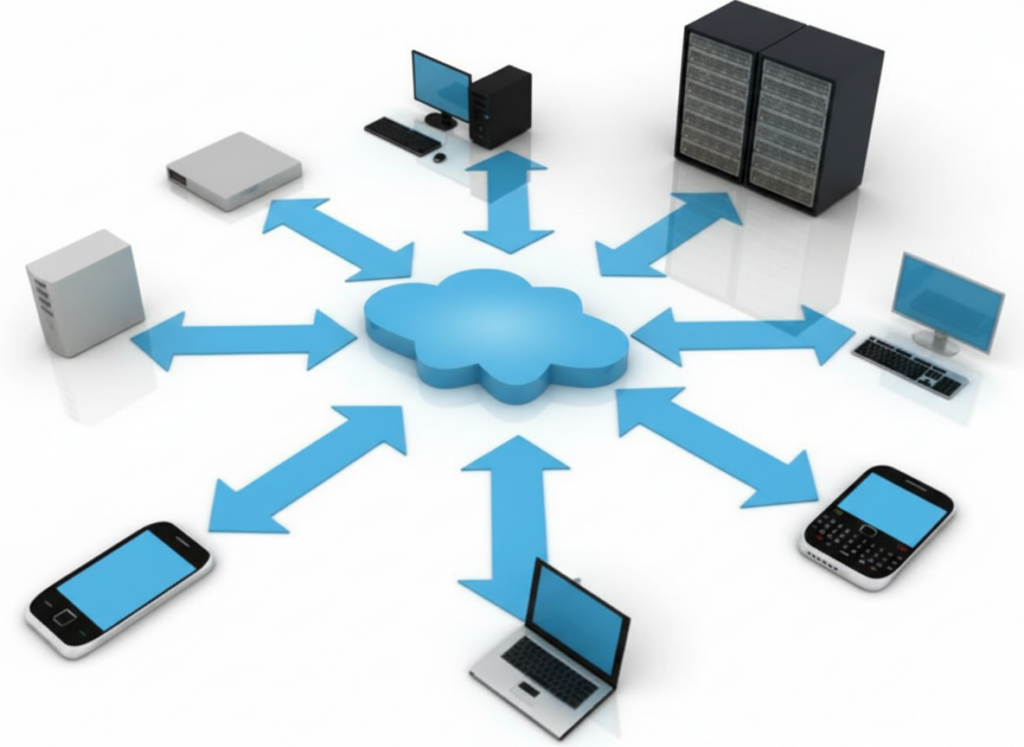
The process begins with widespread collection of operational data. Specialized software, often called agents, gets installed directly on cloud resources like virtual machines and databases. These agents perform constant measurement, gathering thousands of data points on memory use, processor load, network delays, and error rates. All this raw information streams into a centralized platform, the foundation of all cloud monitoring tools.
Once collected, the platform must organize and interpret the flood of numbers. It applies rules and thresholds to translate metrics into understandable alerts or visual graphs. A sustained spike in response time past a defined limit might trigger a notification. Teams can then examine detailed charts tracing the issue back to its source. The entire cycle from data collection to actionable insight happens automatically, enabling quick response.
Benefits of Сloud Based Monitoring
Cloud based monitoring relate to services that continually check the health and performance of a private cloud infrastructure. These services are comprised of tools that can monitor your environment’s web servers, networks, platforms, a large number of operating systems, applications, databases, and mail server to track uptime, downtime, and other metrics to ensure that an infrastructure runs as optimally as possible. With this in mind, there are a number of great reasons why cloud based monitoring makes so much sense today. Let’s get right to the point and outline why this approach makes a great deal of business sense, especially for the small company that needs to save money and scale up fast.
Fast and easy setup
Unlike the “old days” when IT shops had to spend all kinds of money on servers and other hardware, today anyone with a credit card in the business department can setup a cloud monitoring service in minutes. No firewall, hardware, or software installations are required; pay for what you use and you’re good to go!
Costs
This is probably the major and most obvious reason for cloud monitoring. Given the opportunity to run your monitoring out of the cloud on a pay as you go model, it’s very hard for most small and medium sized business to justify an in-house solution. It just makes so much sense to avoid the hassles and headaches of setting up your own infrastructure.
Efficiency and ROI
Aside from costs, the central reason why cloud monitoring makes sense is the increase in your business efficiency. One source puts it this way, “The key is providing easy-to-use products that enable development teams to focus on building valuable applications in the cloud instead of having to spend large amounts of time worrying about the infrastructure being used to support them.
Low maintenance
There are no hardware to maintain, no patches to worry about, no lost downtime, or compatibility or dependency issues since all of this responsibility resides with the host of the cloud monitoring service.
Scalability and agility
Cloud based monitoring grow organically with your organizations; this means that new workstations or servers can be added on a self-service basis without the need for IT administrators to worry about engineering for peak loads.
Device and Location Independence
Cloud based monitoring vendors offer a 360 degree view of your infrastructure from any device, whether you’re at a desktop workstation or on a tablet or smartphone. All you need is an internet browser to keep tabs on what’s happening in your environment.
Which Systems Offer Encrypted Cloud Monitoring?
Specialized security platforms like Uptycs and CrowdStrike Falcon operate with a Zero Trust architecture enabling encrypted traffic analysis at cloud scale. These tools perform runtime decryption of east west traffic within virtual private clouds agent based inspection at the workload level providing full visibility without compromising cryptographic protections. The architectural approach hinges on secure key management often using cloud provider native services like AWS KMS to transiently access traffic keys. This allows monitoring systems to process data only in memory for threat detection before discarding the plaintext a necessary technique given modern encryption’s ubiquity.
Some vendors implement homomorphic encryption or confidential computing enclaves for analytics on always encrypted data. This method avoids decryption entirely but introduces significant computational overhead limiting real time use. For most enterprises a hybrid model proves practical combining managed key release for critical workloads with behavioral analysis on metadata elsewhere. The field remains complex with tradeoffs between security depth and operational visibility still being negotiated.
As we’ve outlined here above, there are significant advantages to offloading your network monitoring to a cloud based host – cost, scalability, efficiency, to name a few. And this frees your organization up to focus on growing your business, which matters the most anyway.
If you’d like to get onboard with the latest in cloud based monitoring you’re at the right place! With the ability to monitor your network anytime and from anyplace, Monitis provides first class, global solutions to keep your infrastructure running optimally at all times.